Confused where to start?
Too many playlists, certificates, and “roadmaps” — but no single path that ends in a job‑ready portfolio.
Learn → Build → Deploy → Crack Interviews
Follow the teal roadmap bar under the hero.
Let’s start with what most students feel before joining, so you know you’re not alone.
Too many playlists, certificates, and “roadmaps” — but no single path that ends in a job‑ready portfolio.
Tutorials make sense until you open a blank editor. You need structured build practice, not more theory.
Companies care about Git, deployment, APIs, and teamwork — not just syntax drills.
Resume, LinkedIn, portals, and mock interviews need the same discipline as coding — we bake that in.
The problem usually isn’t your effort — it’s the gap between “finished a course” and “can ship in a team.” Here is how we close that gap.
Neither blind optimism nor panic — here’s what large employer surveys show. Your takeaway: builders who review, integrate, and ship stay in demand; we train for that stack + AI literacy.
WEF’s Future of Jobs Report 2025 (1,000+ employers, 22 industries) shows work shifting, not vanishing: broadening digital access alone is expected to create about 19 million roles globally by 2030 and replace about 9 million — a net gain in that bucket, not “no more jobs.”
Employer expectations, not guarantees. India’s mix differs; see our hiring section for local signals.
Same report highlights software & applications developers among the faster‑growing roles (alongside AI/ML and data specialists). The shift is toward people who work with AI, not away from engineering.
Growth lists vary by methodology; use this as direction, not a salary promise.
Employers in that survey tied roughly 11 million emerging jobs to AI & information processing vs about 9 million roles expected to shrink from the same drivers — so change is real, but it’s not one‑sided elimination of tech work.
India’s mix differs from global averages; our hiring & salary sections are India‑oriented.
Source summary: WEF — Future of Jobs Report 2025. We cite it to anchor the conversation in data, not fear or hype — always read primary sources yourself.
That gap — between “I finished a course” and “I can ship with a team” — is why FSD Academy exists. Built by a working industry professional, not a generic franchise syllabus: real‑world skills you can defend in interviews — shipping features, reading errors, deploying, and using AI tools like a developer, not a shortcut junkie.
What makes us different“If you show up daily with a laptop and interest, we bring the structure, feedback, and career muscle.”
If this journey matches your goals, here’s why learners choose us over another playlist or generic batch. Tap View details for depth — including our 30+ company interview Q&A bank for full-stack roles.
Portfolio pieces employers recognize — with mentor code review on your repos and PRs, not dummy to‑do clones only.
LLMs, RAG, MCP — what they mean, how IT companies adopt them, and good practices so you use assistants like a developer, not a shortcut junkie.
Collaboration and accountability — closer to how product teams work.
Get unstuck on bugs, design, and career doubts without waiting weeks.
Real full-stack questions (with strong sample answers) collected from 30+ hiring teams — rehearse before mocks, then polish your story in live rounds.
Profiles aligned to MERN / full‑stack roles recruiters actually search for.
Naukri, LinkedIn, and application strategy — consistent outreach, not one‑off bursts.
Experience from real production work — not recycled slides.
One coherent track — MERN, AI touchpoints, deployment, and projects — after your free webinar and 5-day bootcamp.
Start with a live webinar, then 5 full days of free MERN full-stack bootcamp. On day 5, you choose whether to continue into paid training. While we’re in an early phase, we’re offering this extra runway so you can feel the teaching style before you commit.
HTML → JS → React → Node → Express → MongoDB (+ SQL basics) with TypeScript where it matters.
Ground‑level clarity on LLMs, retrieval (RAG), and MCP‑style tool integration — how today’s IT teams wire AI into products, efficient prompting, and good practices (security, review, no blind copy‑paste). Then ship small features with APIs, assistants, and Cursor / Copilot — after you can read and own the code.
Ship to Vercel / Netlify, host APIs, Docker & CI/CD basics so “production” isn’t abstract.
Daily tasks and cumulative builds — with structured code review on your project work so structure, naming, and PR hygiene match what teams expect. Your GitHub becomes the proof.
Daily help plus focused career sprints so you’re not alone after class.
No hidden prerequisites. We optimize for consistency, not shortcuts.
Start free, then decide: Join the live webinar → attend 5 full days of free MERN full-stack bootcamp → on day 5, if you’re interested, continue into the paid program. This gives you extra hands-on time to evaluate fit before paying.
Your starter path
Inside the paid program
From web foundations to deployment — plus a dedicated developer‑first AI literacy strip (LLMs, RAG, MCP, and how teams use them responsibly).
HTML → CSS → JavaScript → TypeScript → React → Redux
 HTML
HTML CSS
CSS JavaScript
 TypeScript
 React
React Redux
ReduxNode.js → Express → APIs (test with Postman)
 Node.js
 Express
 Postman
MongoDB with Mongoose · SQL with MySQL
 MongoDB
 Mongoose
 MySQL
MySQLFrontends on Vercel / Netlify · APIs & backends on Render · cloud basics
 Vercel
 Netlify
 Render
 Azure
AzureVersion control, repo hosting & everyday tools
 Git
Git GitHub
 VS Code
 Cursor
AI
Cursor
AIBasics of LLMs, RAG, MCP — how product & platform teams use them, good practices, and how to ship safely
 APIs
APIsThe same family of tools we teach powers products used at global scale — that’s why full‑stack JS skills stay in demand.
These logos represent well‑known products and teams that publicly rely on React, Node, or adjacent ecosystem tech in production — not an endorsement of this academy. Logos are shown for brand identification only.







Web products keep shipping in JavaScript — frontend + APIs + cloud. Teams still hire people who can own a feature end‑to‑end.
Product companies, IT services, and startups post roles across India and remote — your portfolio + GitHub help you cross city limits.
MERN is one coherent story in interviews: UI, API, database, deploy — easier to explain than scattered tutorial certs.
We teach you to search smartly; these are the boards learners use every batch. Opening counts move daily — treat ranges as orientation, not guarantees.
Indicative only. Numbers below are broad weekly ranges from typical keyword searches (React, Node, MERN, full stack) on Indian job boards — they shift with seasons, layoffs, and filters. Always verify live on each portal.
Often 4k–15k+ India‑visible dev listings for common JS stack keywords in a given week.
Try: React developer, Node.js, MERN, full stack remote
Typically 5k–12k+ active IT software / developer rows matching React or full‑stack filters.
Strong for fresher + experienced India roles; save alerts.
Broad IT volume — often 2k–8k+ relevant rows when you widen keywords to web + JS.
Good companion to Naukri; compare descriptions.
 High
High
Aggregated posts — commonly 2k–10k+ matches for React / full stack (India filter).
Use location + salary filters to reduce noise.
Curated product / startup flow — hundreds to a few thousand active tech roles at a time.
Better when your profile and projects look sharp.
 Startup skew
Early‑stage & equity‑heavy — smaller absolute volume, high signal for startup paths.
Pair with LinkedIn for two different funnels.
Orientation only — not a promise. Actual offers depend on city, company type, DSA depth, projects, and negotiation.
Ranges below blend 2025–26 India IT job data and typical full‑stack / MERN‑style titles. Figures are usually quoted as CTC / gross annual before tax; monthly is a rough split for mental math.
Outliers exist on both ends — startups, FAANG‑adjacent offers, and specialist roles can exceed these bands. Use them to calibrate effort, not to fix expectations.
You always know where you stand — mentors do too.
Evaluation and quick feedback loops on small wins.
Code review on your project work — quality, structure, and “can you explain this?” drills before you ship the next milestone.
Actionable notes — not vague “practice more”.
Pair the 30+ company Q&A bank with tracked mocks — repeat weak themes until your answers sound clear, not rehearsed.
Team workflow, mentor code review on your project code, and Git discipline — like a real squad.
Shared repos, branches, and merge habits early — your features land through real collaboration.
Mentors review your project PRs and key files: readability, structure, edge cases, and “can you explain this?” — the same feedback loop you’ll see in industry.
Commits and PR hygiene recruiters can inspect on GitHub — review comments become part of your learning trail.
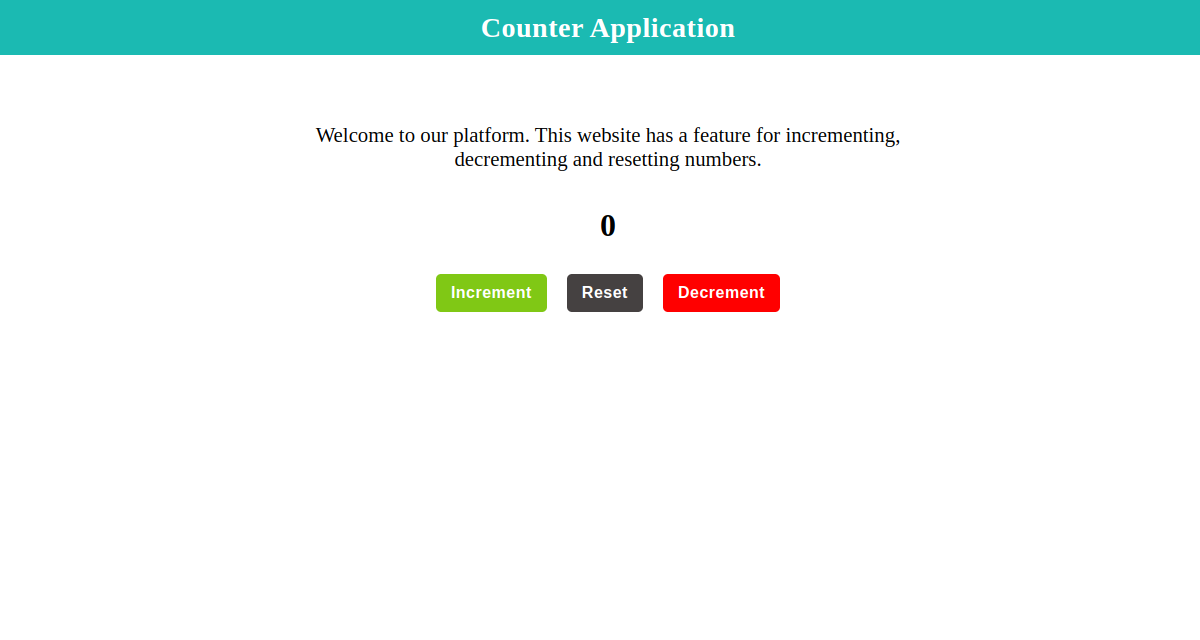
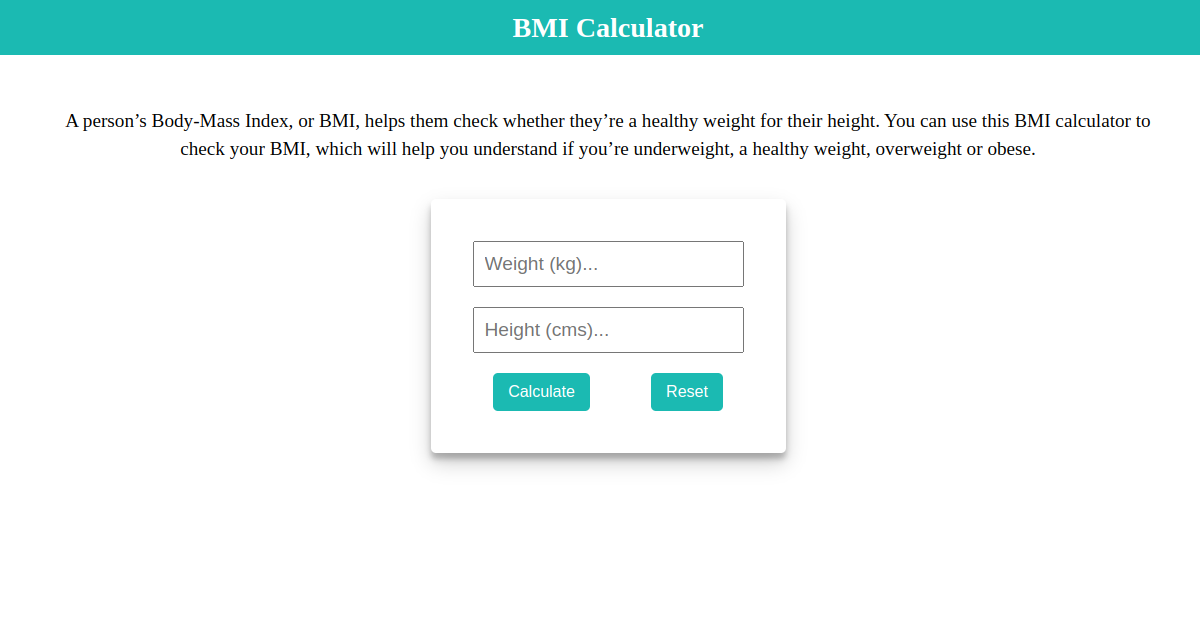
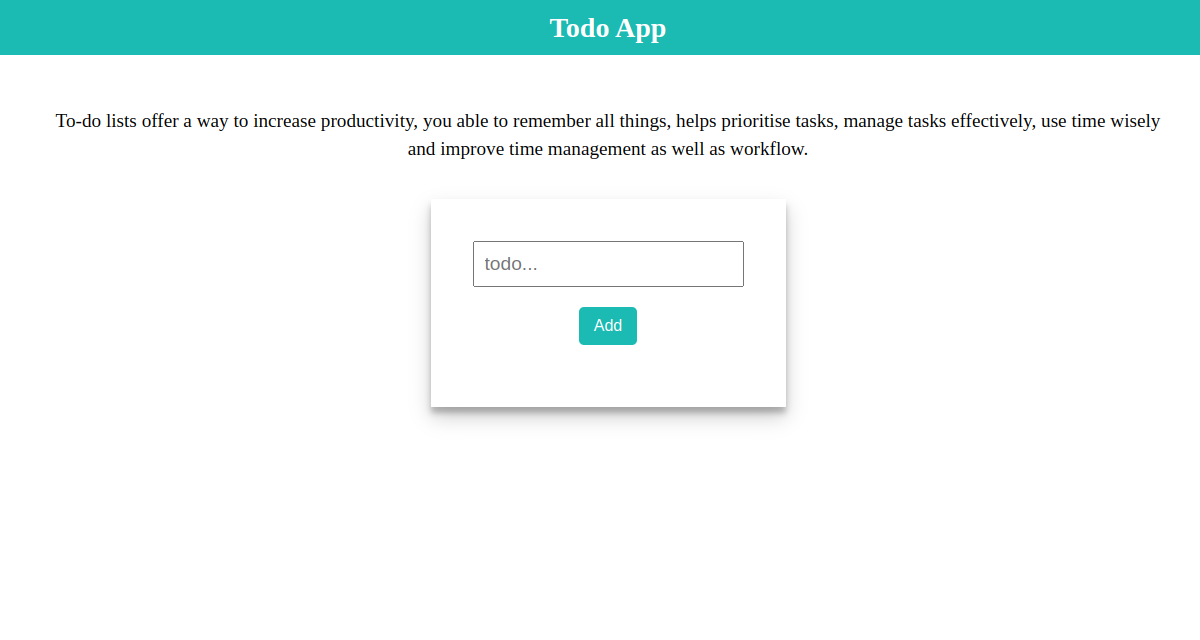
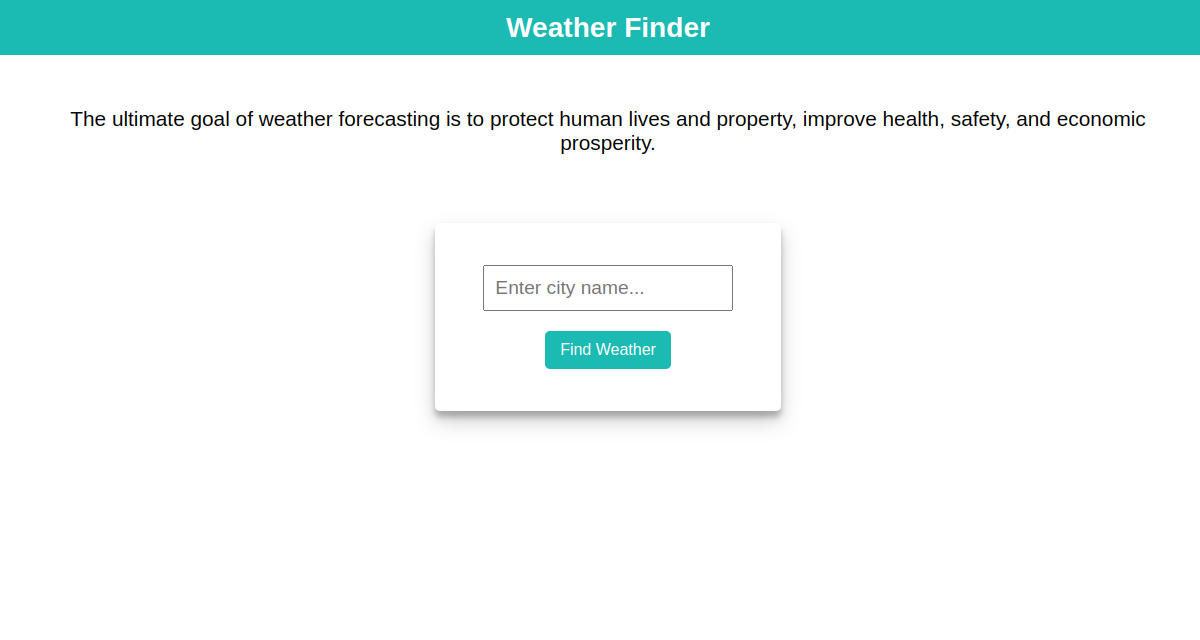
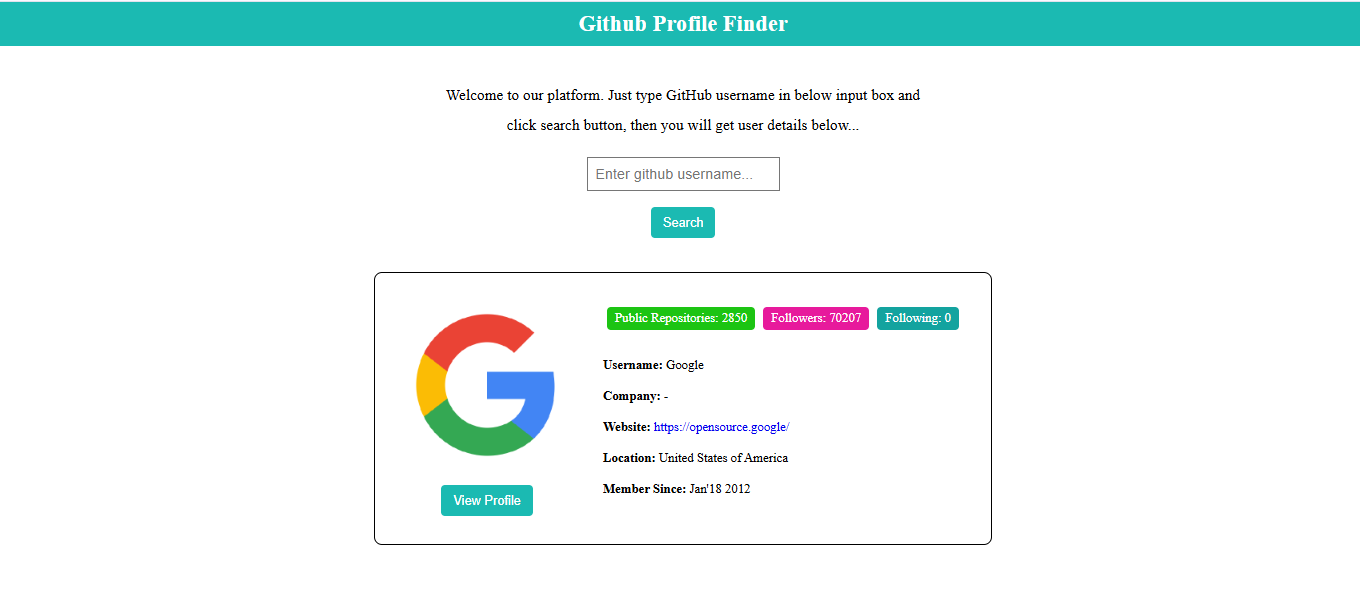
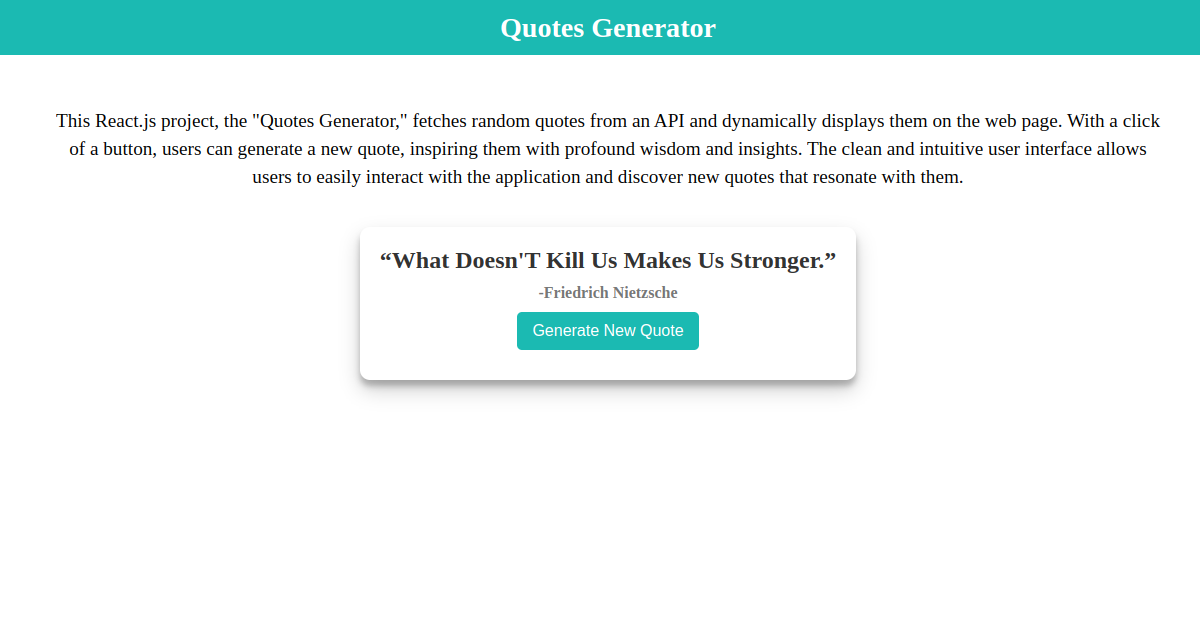
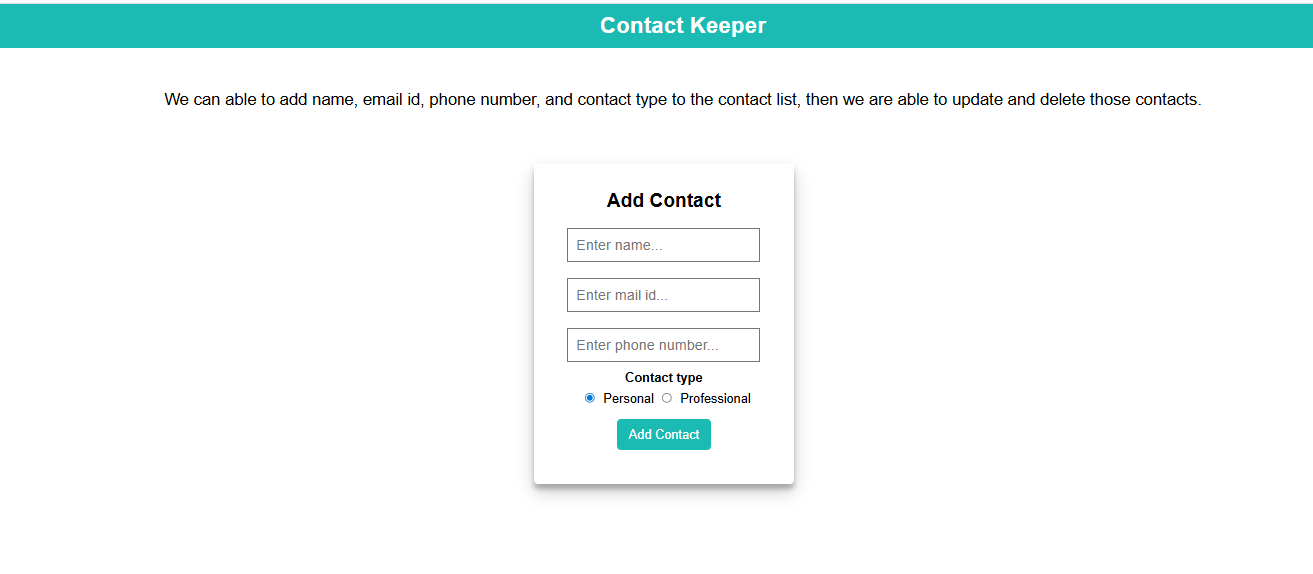
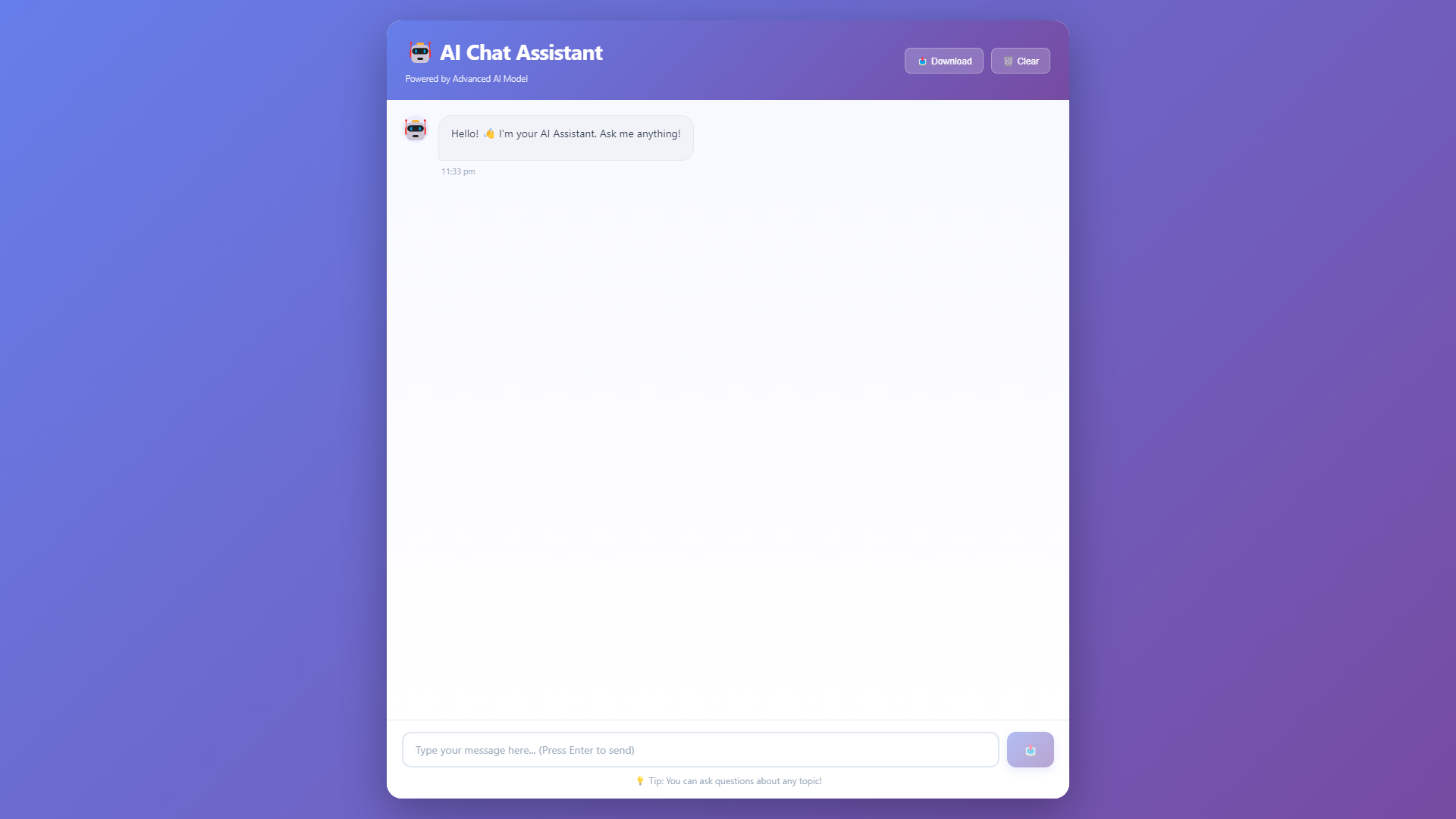
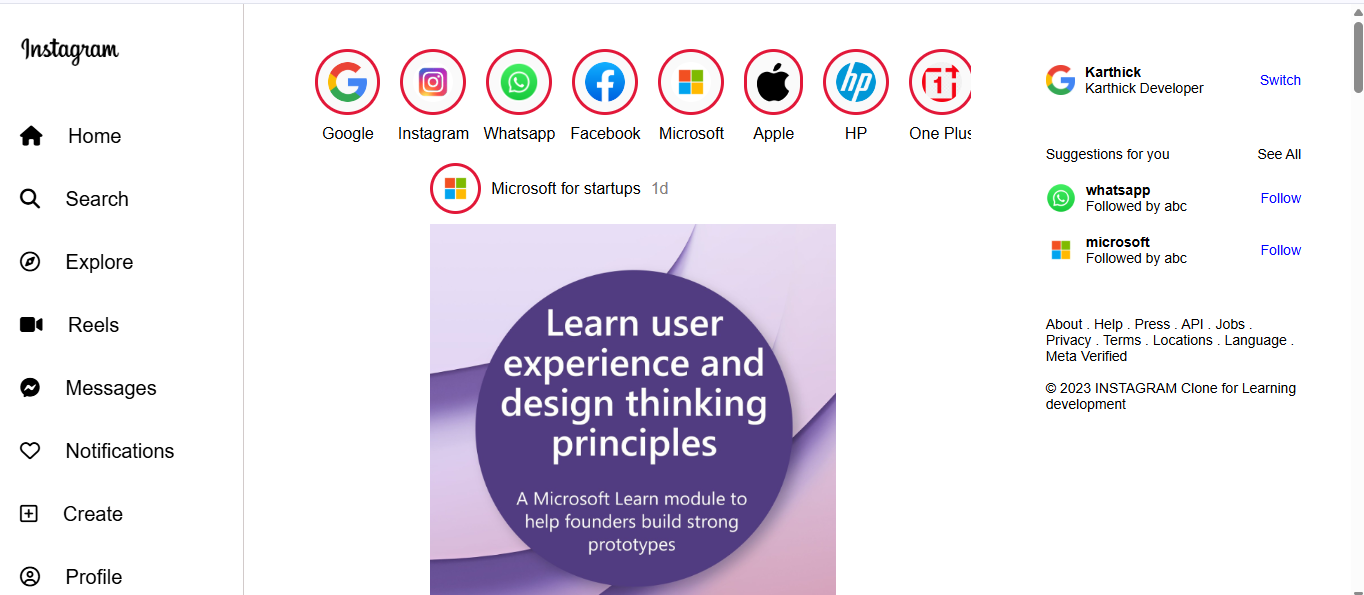
Below are real deploys — open each in a new tab to explore what you can build in training.
Ten sample apps from basics to MERN + AI — each card shows a live page preview of the deploy. Click through to use the real app in a new tab (first load of a preview may take a moment).

We stay in your corner while you apply and grow.
Job & internship leads we hear about — you still earn the shortlist.
Extra rounds when you’re actively interviewing — grounded in the same full-stack Q&A patterns from 30+ companies.
Reasonable doubt help and direction on next steps.
Finish with deployable projects, Git history, and interview clarity — then choose a lane (or combine several). None of this is automatic: the market rewards proof and persistence, and we prepare you for that reality.
Apply with a portfolio recruiters can open — live links, readable repos, and a clear story of what you built. Many students use internships as the bridge between learning and full‑time roles.
Target MERN / full‑stack / frontend / backend openings at startups, product companies, and IT services — with resume, LinkedIn, and interviews shaped by a curated Q&A bank from 30+ companies plus live mocks.
Take small scoped projects: landing pages, dashboards, APIs, fixes, and MVPs for local businesses or global platforms — billing by project or milestone once you’re comfortable owning delivery.
Ship a SaaS tool, niche app, or internal product idea: you’ll know how to design features, connect a database, deploy, and iterate — the same loop indie makers and early teams use.
Offer build + maintain packages: websites, admin panels, integrations, and small product work — charge for setup and ongoing support as clients trust your delivery.
Start a small dev agency, studio, or tech consultancy with partners: you understand stack, deployment, and communication — enough to hire, quote work, and grow when demand appears.
We don’t promise a single outcome — we prepare you to compete for internships and jobs, to earn freelance and service income, and to build products or a company if that’s your ambition.
Straight talk on what you earn and what we promise — no fine print hiding in layout.
Issued after successful completion of the program.
Depends on your involvement — we track effort and consistency, not magic outcomes.
We prepare you; the market decides. We don’t sell false certainty.
Structure, support, and real builds — not salary claims.
“Daily tasks kept me building instead of only watching. The path from HTML to Node finally felt like one story.”
“Express and Mongo weren’t abstract — we built real routes and layers. That was the gap I had self‑studying.”
“1:1 slots meant I didn’t stay stuck on deploy issues for days. That rhythm made the difference.”
Quick answers for students — tap a question to expand.
No. We start from web foundations (HTML, CSS, JavaScript) and progress into MERN and AI tools in a fixed order. A laptop, stable internet, and daily practice matter more than past experience.
The intensive track runs about 4 months with structured milestones. Exact batch timing (weekday/weekend) and calendar are shared on WhatsApp when you register your interest.
Yes. After the free live webinar, you can join 5 full days of MERN full-stack bootcamp at no charge. On day 5, if you want to continue, we explain the paid program (fees, batch calendar, support) — there’s no obligation to pay.
Yes — training is built around daily live sessions so you can ask doubts in real time. Recordings are made available so you can revise if you miss a slot or want to replay a topic.
You get daily doubt support and 1:1 mentorship for blockers — not a “post in a dead forum” model. Small batches are intentional so trainers actually know your project context.
No — and we don’t claim fake guarantees. We focus on portfolio, interviews, resume, and apply strategy. Outcomes depend on your effort and the market; we prepare you honestly.
There is no fee for the webinar or the 5-day free bootcamp. If you choose to join the paid program after day 5, fee structure and any instalment options are shared on WhatsApp — we prefer a quick conversation so expectations (batch size, support, syllabus) are clear before you pay.
A Windows or Mac laptop that can run VS Code, Node, and a browser comfortably (8GB+ RAM recommended). You’ll install the stack we use in class; we help with environment issues early in the batch.
Free webinar — live overview: journey, stack, support model, and Q&A.
5-day free bootcamp — hands-on MERN intro with our actual teaching rhythm (no payment for these 5 days).
Paid program — full structured track (~4 months): daily classes, tasks, projects, reviews, and career prep. You only step in after day 5 if you want to continue.
Still have doubts? Join the free webinar + bootcamp path or leave your details — we’ll reply on WhatsApp.
Join live, ask your doubts, and decide whether this batch is right for you.
Limited seats — small batch by design.
We’ll reply on WhatsApp with webinar, 5-day bootcamp, and batch details.
Paid program fee details are shared on WhatsApp when you’re ready — typically after the free webinar and 5-day bootcamp, if you want to continue.
General queries: hello@fsdacademytamilnadu.in
Ask fee on WhatsApp